
Program Week Overview

Participants arrived in Aspen on Sunday, March 22, 2026, and complete initial clinical and neurological assessments upon arrival. The core intervention takes place over five consecutive days of structured skiing and snowboarding, designed to combine physical engagement, cognitive demand, and environmental immersion.
Following the on-mountain week, participants complete post-program assessments prior to departure to evaluate short-term changes in psychological well-being and brain-based measures.
Select components of the broader research and data analysis process may also occur
off-mountain, including supporting research activities conducted in Denver.
Are you a Veteran and want to spend a week skiing or snowboarding in Aspen, CO—while helping pave the path toward VA approval of this life-changing therapy for thousands of veterans?
Apply Here.
Pilot Study
at a Glance
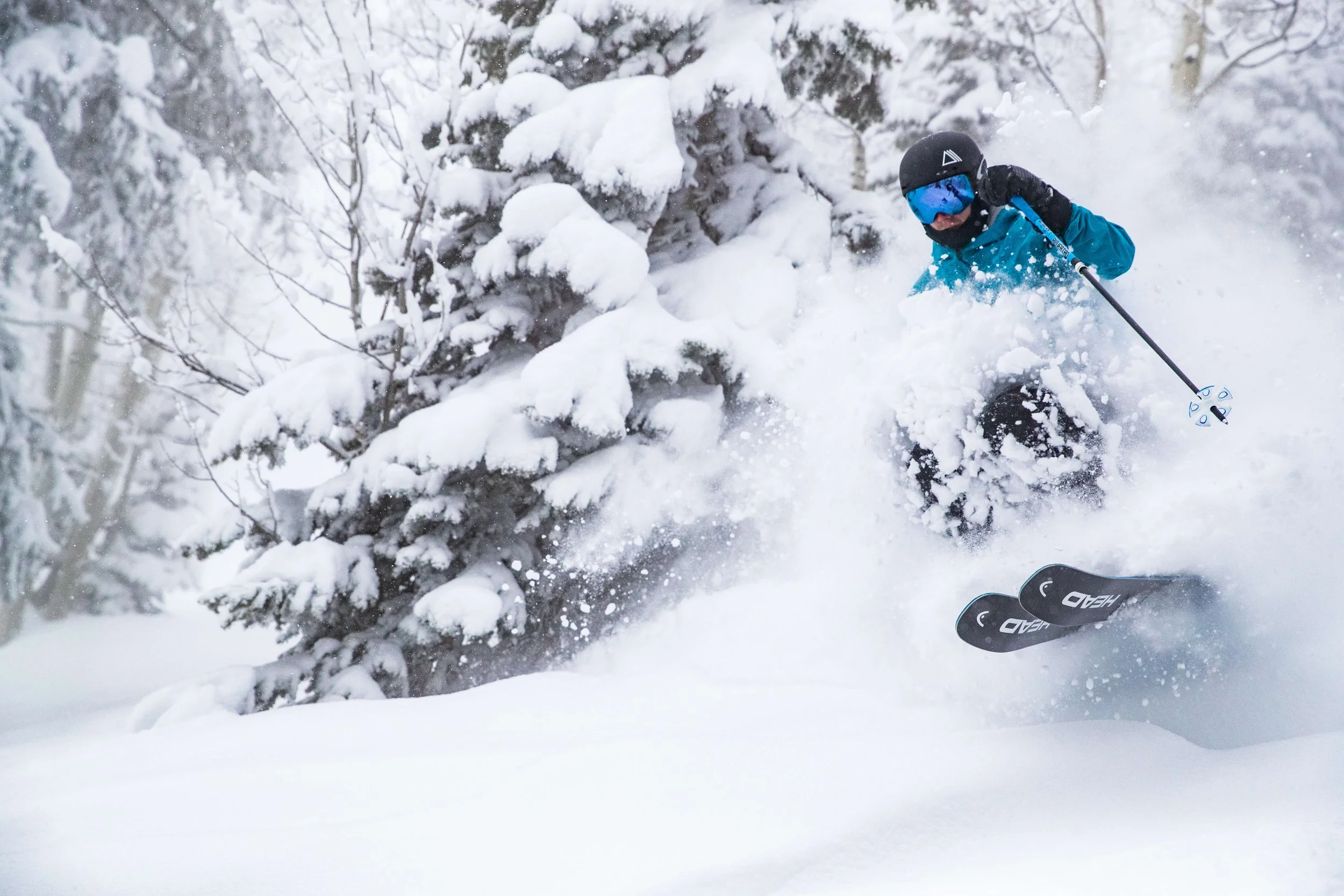
Participants: 30 U.S. veterans with diagnosed PTSD
Program Group: 20 veterans (1-week immersive skiing & snowboarding, Aspen)
Control Group: 10 veterans (comparison group) off snow - based in Denver.
Duration: 7 days
Location: Aspen, Colorado
Focus: PTSD symptoms, emotional regulation, neurocognitive function
Study Design & Evaluation Framework
-
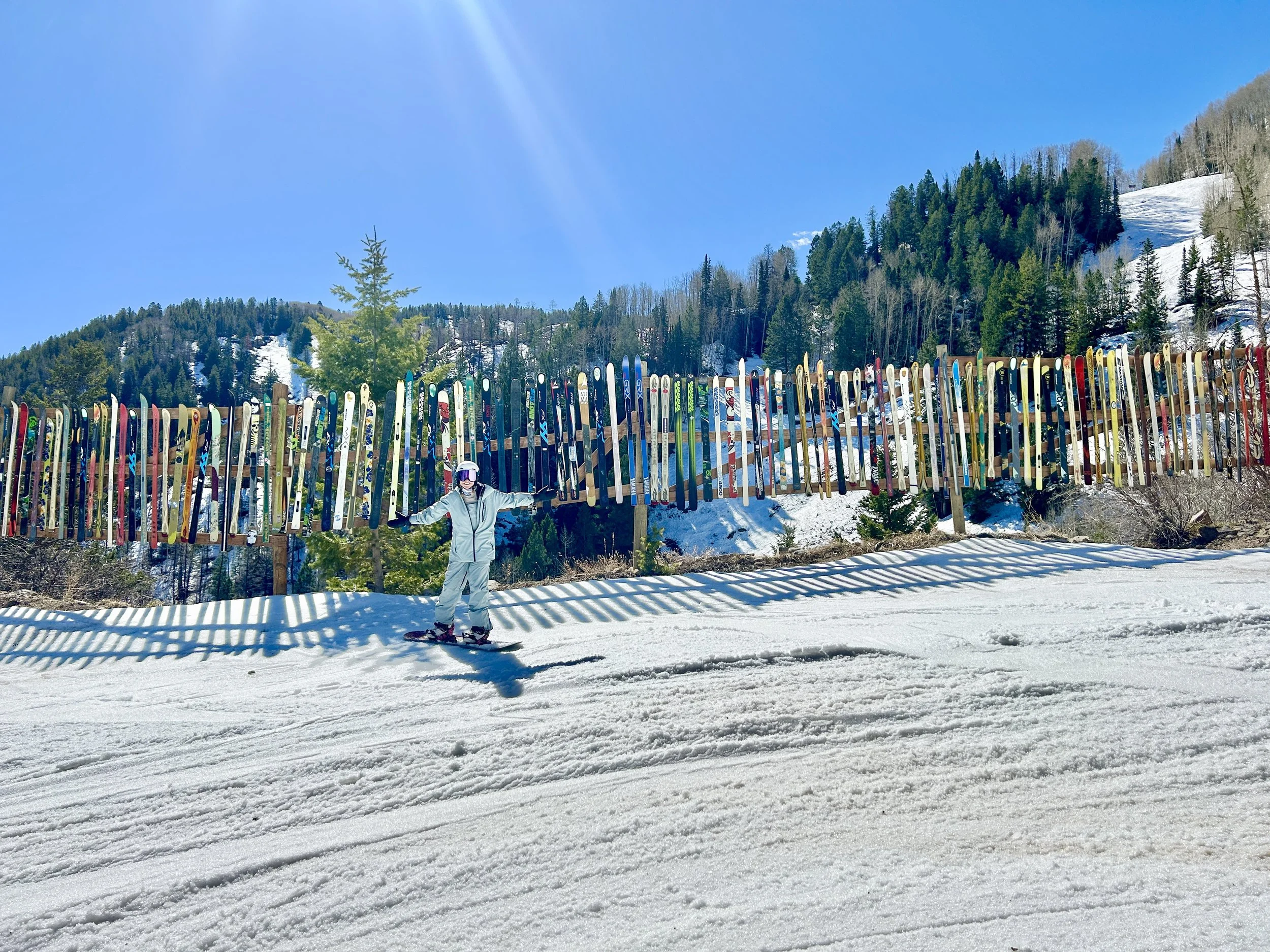
This pilot study will enroll 30 U.S. veterans with diagnosed PTSD. Twenty veterans will participate in a one-week immersive skiing and snowboarding experience in Aspen, while 10 veterans will serve as a comparison control group.
Participants will complete assessments immediately before and after the program week (and on the same timeline for control participants). Findings will be used to evaluate feasibility and early impact, refine the program, and inform the design of a larger, longer-duration clinical study.
-
The study uses a combination of validated clinical self-report tools and objective neurological measures to evaluate short-term change.
Clinical Outcomes (Self-Report Measures)
Validated instruments will assess PTSD symptom severity and overall mental well-being immediately before and after the intervention week (and on the same schedule for control participants).Neurophysiology & Cognitive Function (WAVi)
Participants will complete the WAVi (Whole-Brain Assessment of Vigilance), an EEG-based assessment that evaluates attention, processing speed, and autonomic nervous system regulation. WAVi testing will occur pre- and post-program to explore short-term changes associated with intensive mountain sport participation.Neurological / Oculomotor Screening
A right-eye oculomotor assessment will be administered pre- and post-program as an objective neurological marker commonly used in concussion and brain health screening. This provides additional insight into neurocognitive and sensorimotor function.Collectively, these measures help evaluate feasibility, participant tolerance, and preliminary signals of clinical and neurophysiological change.
-
Because this is a small, one-week pilot, the focus is on short-term, measurable changes appropriate for early-stage research.
PTSD symptom change: Pre- to post-program differences in self-reported PTSD symptoms and emotional regulation
Mental well-being & stress regulation: Changes in psychological well-being, perceived stress, mood, and resilience
Neurocognitive & autonomic function: Pre/post WAVi changes in attention, processing speed, and autonomic balance
Neurological / oculomotor function: Pre/post changes in right-eye assessment as an objective neurologic and sensorimotor marker
These outcomes are intended to identify feasibility and early therapeutic signal—not definitive efficacy—and to guide the design of a larger clinical trial.
-
Dr. John Drozd leads the clinical and measurement approach for this pilot study.
-
This pilot study matters for potential VA consideration because it produces early, program-specific evidence that supports evaluation under Whole Health and complementary and integrative health frameworks.
Feasibility & safety: Documents participant tolerance, completion rates, and absence of adverse events
Measurable outcomes: Uses validated clinical tools plus objective neurological measures (WAVi and oculomotor screening)
Comparison group: Helps evaluate whether observed changes are plausibly associated with the intervention rather than time or expectation alone
VA-relevant decision data: Tests whether a short, intensive mountain-sports intervention shows early signals strong enough to justify a larger study
In short, this research helps move skiing and snowboarding from being viewed as recreation toward evaluation as a structured, evidence-generating therapeutic intervention.
The On-Mountain Program
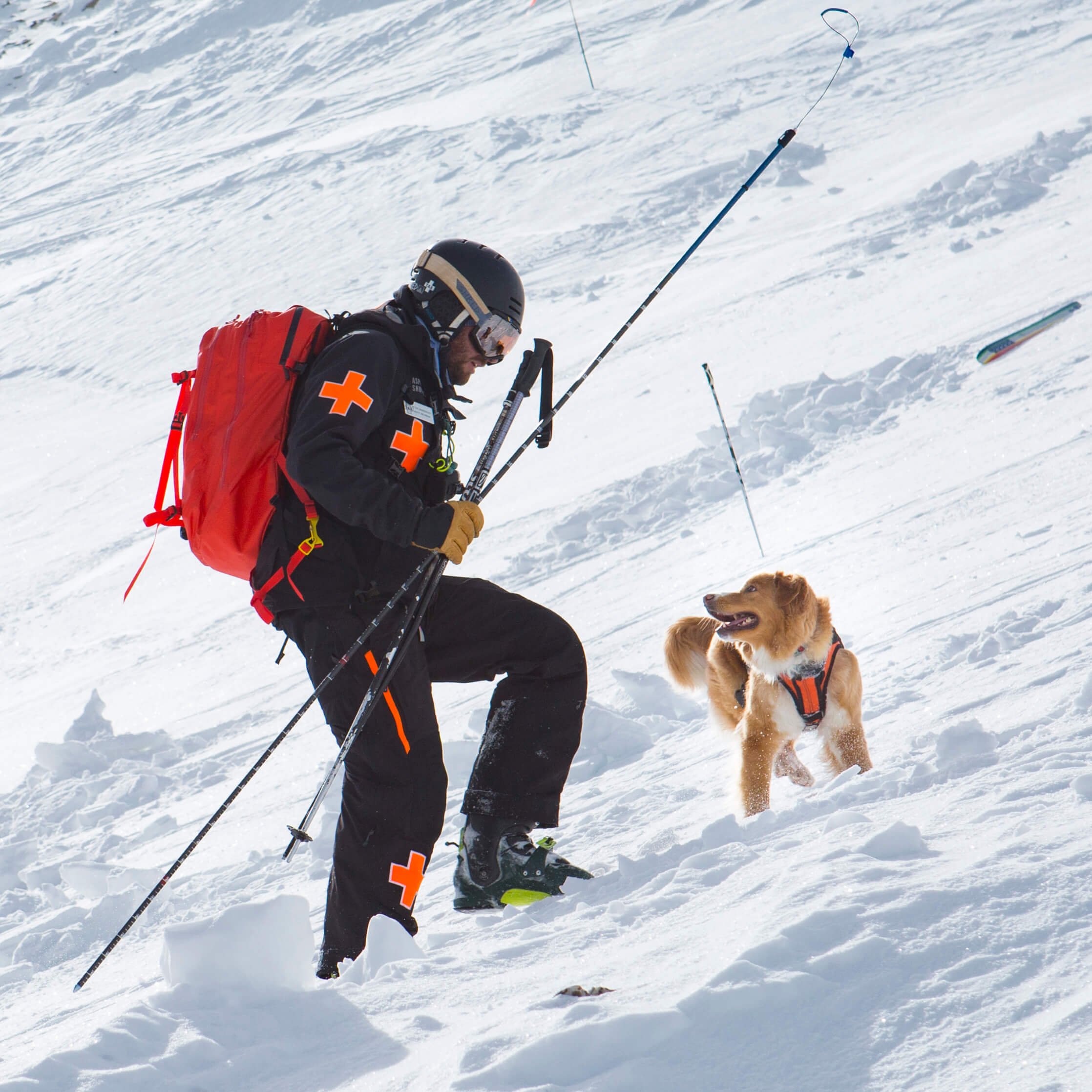
A structured, research-informed week combining skiing, assessment, and recovery.
-
Upon arrival in Aspen on Sunday, March 22, 2026, participants complete baseline assessments including the WAVi brain scan, right-eye oculomotor screening, and validated PTSD self-report questionnaires. These measures establish each participant’s pre-program neurological and psychological baseline.
-
From Monday through Friday, participants engage in guided skiing and snowboarding as the core therapeutic intervention. The on-mountain experience emphasizes focus, regulation, physical engagement, and environmental immersion—key elements believed to support emotional regulation and stress-response recovery.
-
Participants complete post-program assessments on Friday afternoon or Saturday morning prior to departure. These evaluations mirror baseline testing and are used to assess short-term changes in PTSD symptoms, mental well-being, and neurocognitive and autonomic function.
Research Leadership
-
![Black and white photo of Dr. Drozd a smiling man with glasses and short hair, wearing a collared shirt, outdoors with trees in the background.]()
John F. Drozd, Ph.D., ABMP
Clinical Psychologist, Air Force Veteran
Dr. Drozd is a licensed clinical psychologist and a board-certified medical psychologist. After earning his doctorate, John completed residency training at Andrews Air Force Base and served as an active-duty Air Force psychologist from 1997 to 2002. As a committed scientist-practitioner, John is deeply involved in the development and delivery of evidence-based assessments and interventions for veterans. He has authored and co-authored multiple publications in the areas of psychotherapy research, clinical-outcomes management, trauma, and the collaborative assessment and management of suicidality. Dr. Drozd is deeply committed to utilizing innovative, integrated treatment models to help veterans and first responders. -
![Black and white professional headshot of Sam Peterson in a suit with a collared shirt and pocket square.]()
Sam Peterson, MBA
Co-Founder & CEO, Mind Spa, Inc.
Sam’s career in the Army as a bomb disposal technician, which included two combat deployments to Afghanistan, and subsequent mental challenges that arose through his transition to a civilian, spurred a passion for mental health treatment and the service of others. Sam has founded multiple companies in the mental health space, focused on traumatic brain injury treatment.


How Skiing as Therapy Works
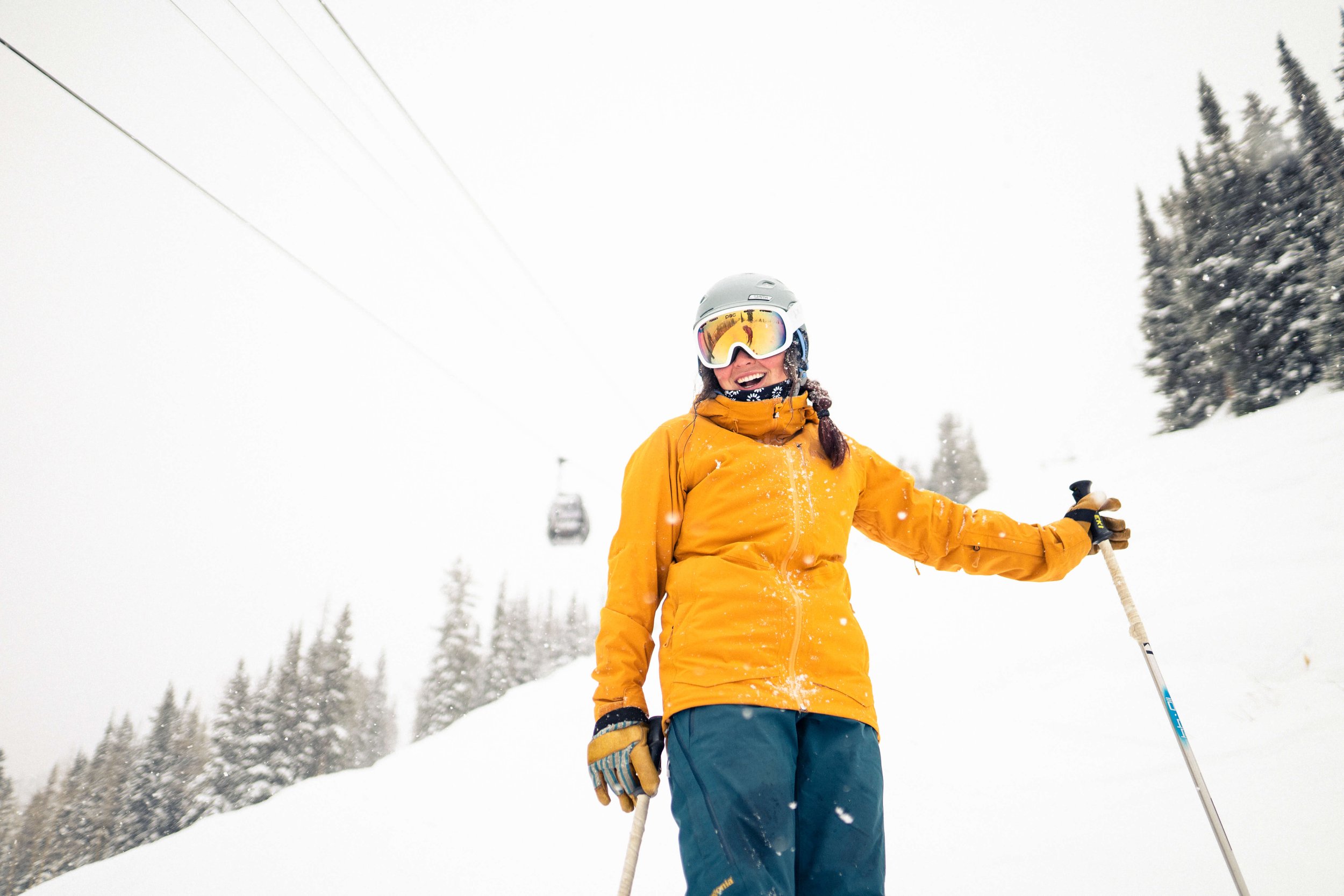
Skiing and snowboarding are not just “outdoor activities” — they are multisensory, high-engagement, neurobiologically active therapeutic environments.
Skiing and snowboarding engage the body, brain, and nervous system at the same time—helping interrupt hypervigilance and bring attention back to the present moment. Balance, movement, and controlled challenge support nervous-system regulation, while visible skill progression restores confidence and a sense of agency often disrupted by trauma.
-
Movement-based activities that require balance, coordination, and rhythm activate neural networks involved in emotion regulation and executive function. Bilateral movement—such as turn initiation and edge control—supports communication between brain hemispheres, a mechanism also used in evidence-based trauma therapies like EMDR.
-
Skiing and snowboarding demand focused attention under moderate, controllable challenge. This shifts the brain away from threat monitoring and intrusive rumination toward task-focused processing, helping reduce hypervigilance while building tolerance to stress in a non-traumatic context.
-
Speed, turns, elevation change, and balance demands provide vestibular input, which is closely connected to the brainstem, cerebellum, and vagus nerve. Research shows vestibular stimulation can influence autonomic balance, anxiety regulation, spatial orientation, and postural confidence—areas often affected in PTSD and mild traumatic brain injury.
-
When movement, focus, and vestibular input occur together, they create a bottom-up regulation effect—addressing trauma at the level of sensation and physiology rather than cognition alone. This makes skiing and snowboarding particularly well suited for veterans whose trauma is stored as much in the body and nervous system as in memory.

What This
Study Is Testing
This pilot study is evaluating whether a short, intensive week of skiing and snowboarding is associated with measurable short-term improvements in PTSD symptoms, emotional regulation, and neurocognitive function. Using validated self-report measures and objective neurological assessments, the study is designed to detect early therapeutic signals and assess feasibility—not to claim definitive clinical efficacy. Findings will guide refinement of the program and inform the design of a larger, longer-duration clinical trial.