
Where Your Healing
Helps Build the Future of Veteran Therapy
Are you a U.S. veteran with PTSD or a traumatic brain injury interested in contributing to research that could shape how the VA approaches recovery?
Apply below to take part in our Aspen pilot program, which includes a week of therapeutic skiing and riding. This study plays a vital role in building the evidence needed to bring this therapy to more veterans.
What to Expect During
the Week
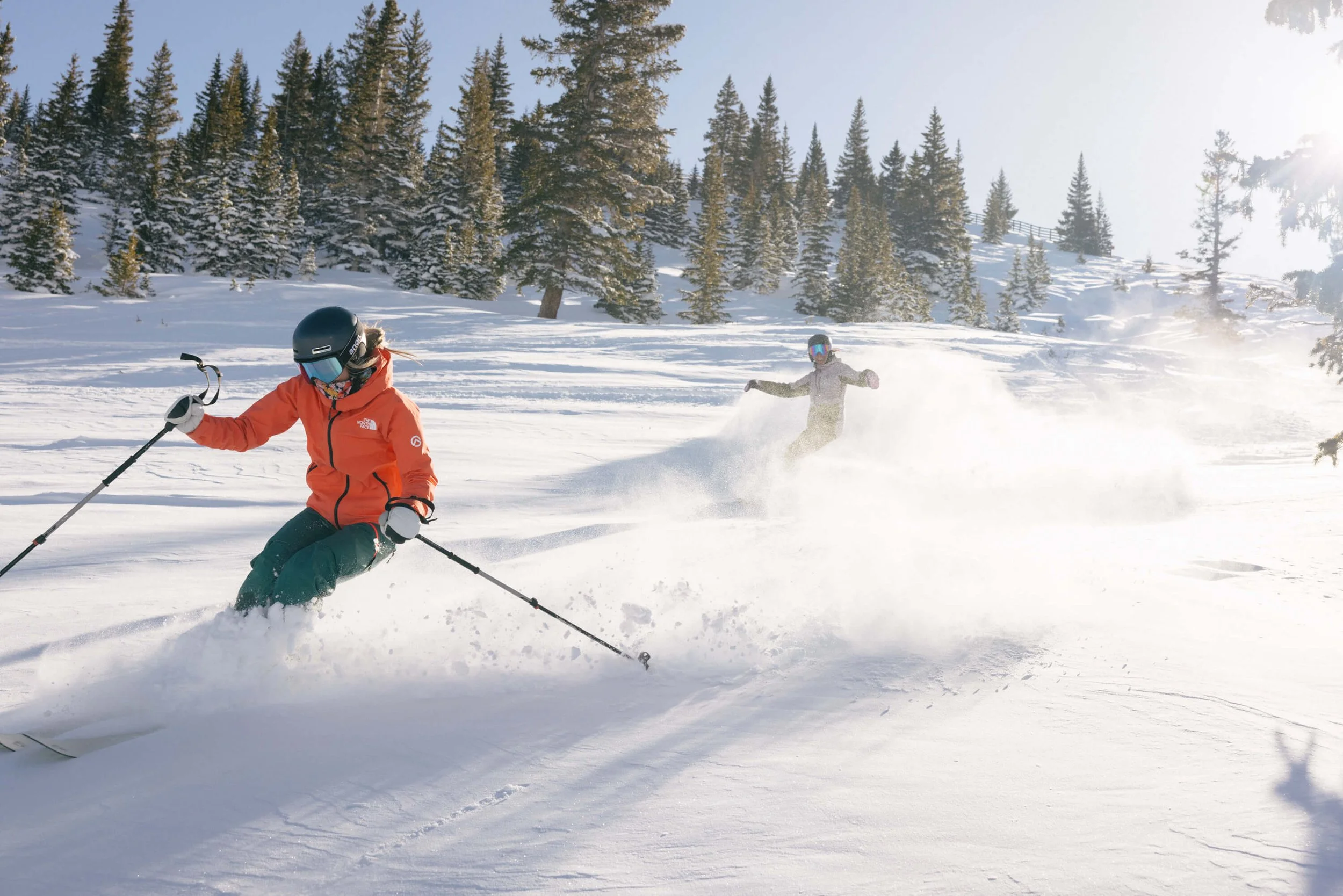
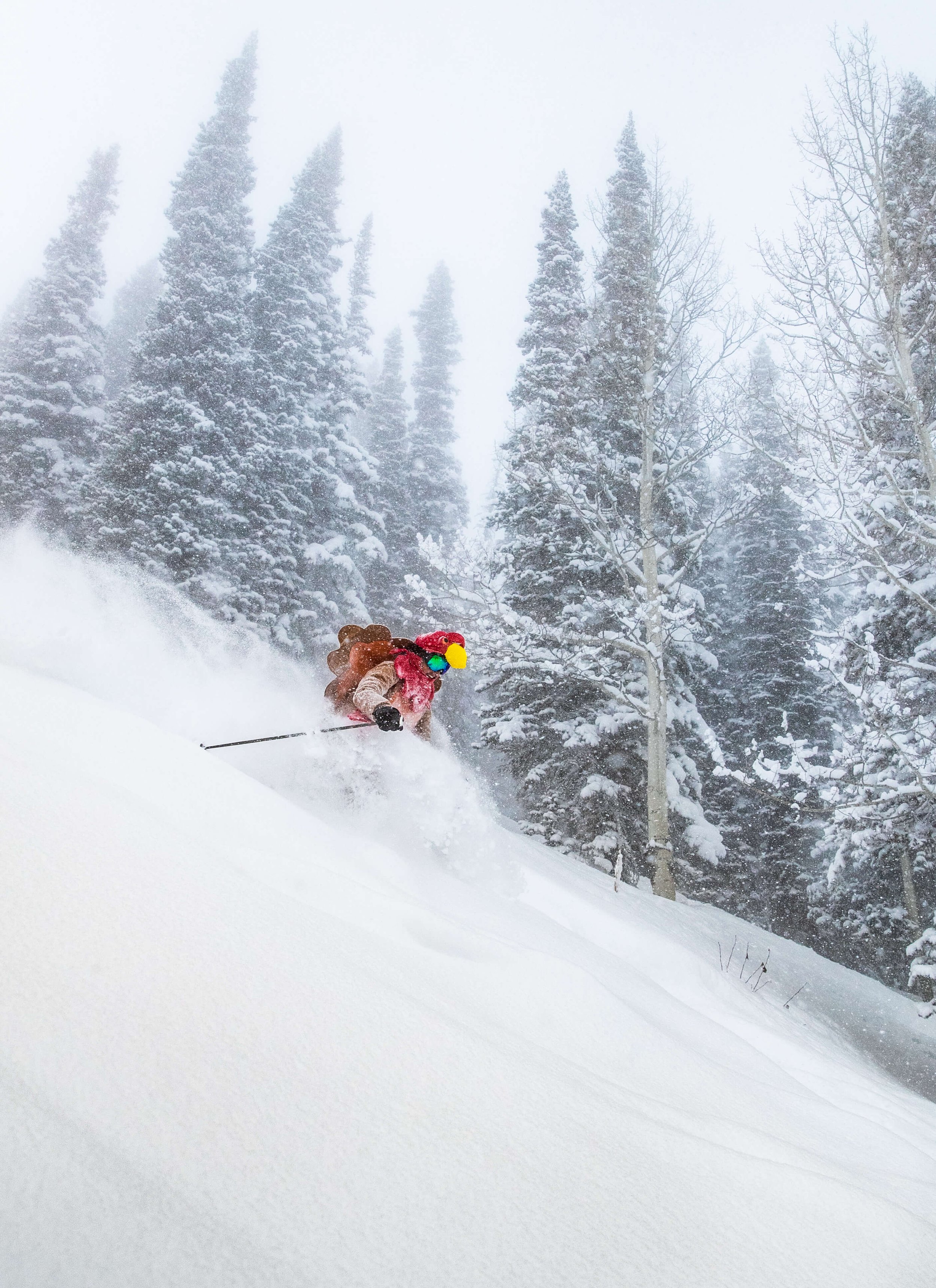
During the week in Aspen, veterans take part in a structured, supportive skiing and snowboarding experience in a world-class mountain environment. Days are intentionally paced and guided by veteran-aware instructors, with participants skiing or riding at their own ability level—from beginner to advanced. The focus is on safety, presence, and steady progression, not performance.
Off the mountain, the week supports recovery, regulation, and connection. Veterans complete brief assessments at the beginning and end of the week (including WAVi and right-eye evaluations) and have time for rest, peer connection, and informal reflection. This is not traditional group therapy, but a shared experience where trust and camaraderie develop naturally.
Overall, veterans can expect a week that is challenging but not overwhelming, immersive but not clinical, and respectful of individual readiness. The goal is to help participants reconnect with their bodies, rebuild confidence, and leave with early, tangible signals—both felt and measured—of improved well-being.